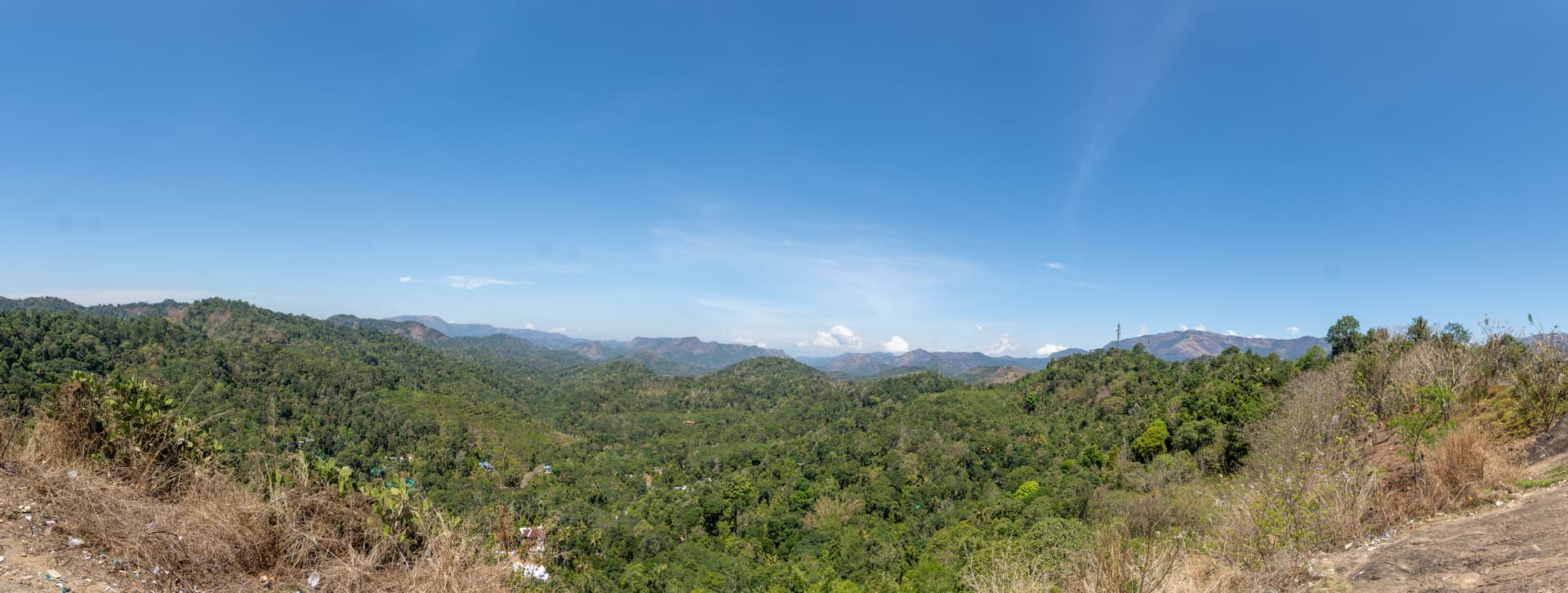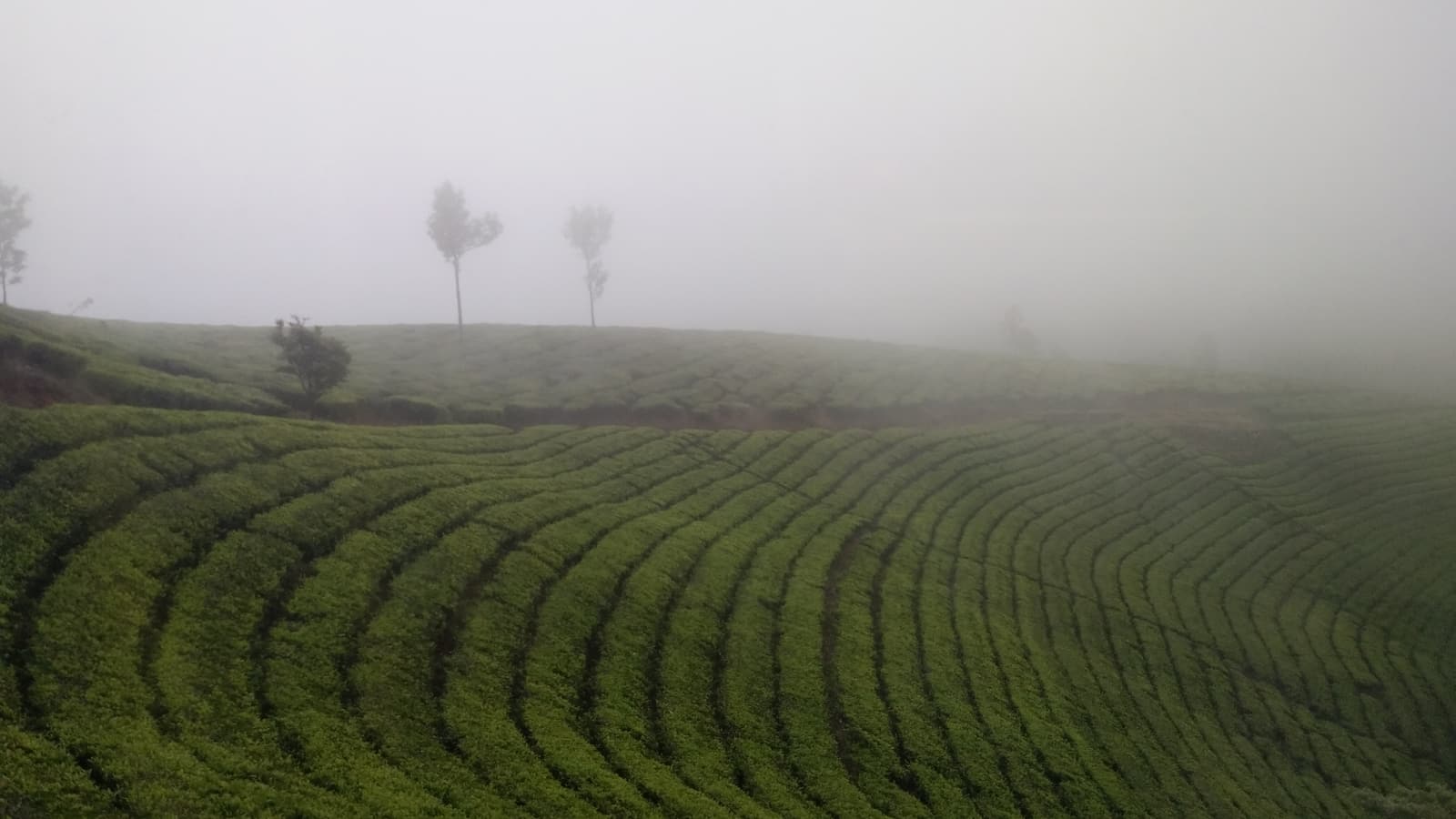
Idukki has two monsoons and a real winter. From September to March the hills are green, the air is clear and the walking is comfortable — the best all-round season, with December to February the coldest and sharpest. April and May are the busy summer escape from the plains. June to August is the south-west monsoon: spectacular, soaking and sometimes disruptive.
Two dates to plan around: Eravikulam National Park usually closes for the tahr calving season around February and March, and wildlife at Periyar comes to the lakeshore most in the dry months, roughly December to April.
Month by month
| Month | Weather | Crowds | Highlights |
|---|---|---|---|
| January | Cold nights, clear bright days | Busy early, then moderate | Sharpest views; frost possible around Munnar |
| February | Cool, dry, clear | Moderate | Good wildlife at Periyar; Eravikulam usually closes |
| March | Warming, dry, some haze | Moderate | Quiet weekdays; Eravikulam usually closed |
| April | Warm days, occasional thunderstorms | Busy (school holidays) | Eravikulam reopens; cool escape from the plains |
| May | Warmest month, pre-monsoon showers | Very busy | Peak domestic season; book ahead |
| June | South-west monsoon arrives; heavy rain | Low | Waterfalls begin; lower hotel rates |
| July | Very heavy rain, mist, cool | Low | Deepest green; landslide and closure risk highest |
| August | Heavy rain easing late; Onam some years | Low–moderate | Full waterfalls; dams sometimes open for Onam |
| September | Showers and sunshine, lush | Moderate | Fresh green hills; Onam holidays; good value |
| October | North-east monsoon: afternoon storms | Moderate; busy at Diwali | Full reservoirs, dramatic skies |
| November | Showers easing, turning clear | Moderate | Excellent trekking weather begins |
| December | Cool to cold, mostly clear | Very busy at Christmas–New Year | Peak season; dams often open to visitors |
Winter (December to February): cold, clear and popular
This is the season of blue skies and long views. Days in Munnar are mild and nights are cold — often in single digits, and in some Januaries the estates above town wake up to frost. Thekkady, lower down, is simply pleasant. It is the best time for Top Station, Kolukkumalai sunrise and any trek. Christmas to early January is the busiest and most expensive fortnight of the year.
Summer (March to May): the escape from the heat
While the Kerala coast and the Tamil Nadu plains swelter, Munnar stays in the low-to-mid twenties. Views are hazier and the hills a little drier, and afternoon thunderstorms build from April. This is the main Indian family-holiday season, so April and May weekends are crowded and hotel prices high. Remember that Eravikulam is normally shut for part of February and March.
South-west monsoon (June to August): green, wet and unpredictable
The monsoon reaches Kerala around the start of June and Idukki, high on the windward side of the Ghats, takes the full force. Expect days of steady heavy rain, cloud sitting on the estates, leeches in the forest and waterfalls on every hillside. It is beautiful, and hotel rates are at their lowest — but it is also when landslides happen. The floods of August 2018 and the Pettimudi landslide near Munnar in August 2020 were reminders of how serious the weather here can be. Treks and some ecotourism programmes are suspended, boat trips may be cancelled, and roads can close at short notice.
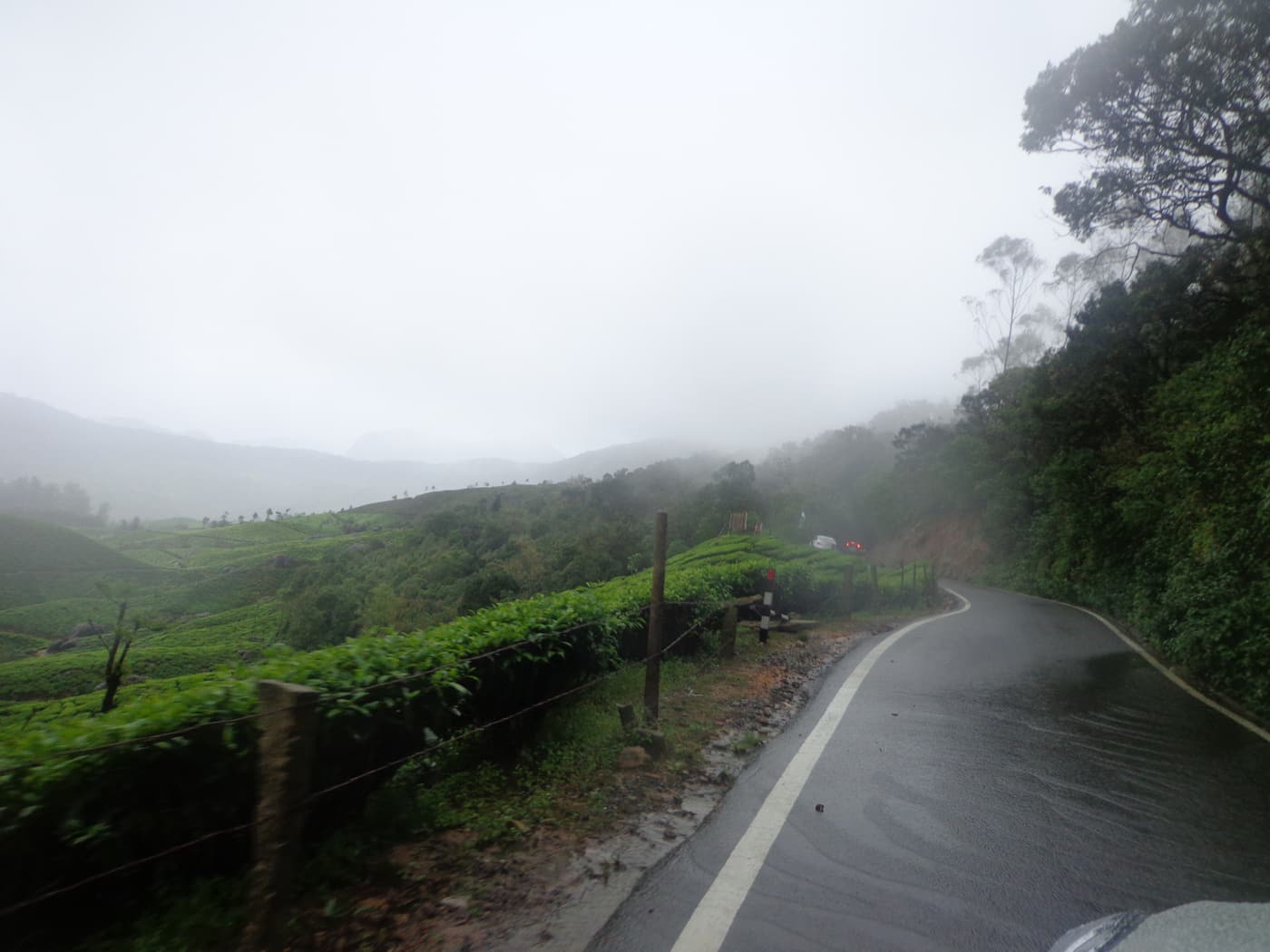
If you come in these months, build in spare days, keep drives short, stay somewhere you would be happy to sit and watch the rain, and follow the district administration’s advisories.
North-east monsoon (October and November)
A second, lighter rainy season brings clear mornings and heavy afternoon or evening thunderstorms, especially on the eastern side near the Tamil Nadu border. It is a fine time to visit if you plan your sightseeing for the first half of the day. Reservoirs are full and the hills are at their greenest.
The Neelakurinji bloom
The Neelakurinji (Strobilanthes kunthiana) is a shrub of the high grasslands that flowers all at once, sets seed and dies. Around Munnar the mass flowering has come roughly every twelve years — 1994, 2006, 2018 — usually between about August and October. On that pattern the next would be around 2030.
Please treat that as a guide, not a booking date. Different populations and related species flower on different cycles, so smaller blooms turn up in other years and other places (a hillside at Kallippara near Santhanpara drew crowds in 2022, for example). And the 2018 bloom was badly affected by the floods. Follow announcements from the Kerala Forest Department nearer the time.
Wildlife timing
- Periyar: elephants, gaur and deer are easiest to see from about December to April, when water is scarce elsewhere. After the rains the forest is lush and animals disperse.
- Eravikulam: tahr are visible whenever the park is open; young kids appear after the calving closure, from about April.
- Chinnar: dry and accessible for most of the year; best from December to April.
Festivals and busy dates
- Onam (August or September) is Kerala’s great harvest festival and a major holiday week; the Idukki and Cheruthoni dams have traditionally been opened to visitors around it.
- Diwali, Pooja holidays (October–November) bring visitors from across South India.
- Christmas to New Year is the single busiest period — book months ahead.
- Chitra Pournami (April or May full moon) is the one day of the year when pilgrims are allowed to the ancient Mangala Devi temple inside Periyar Tiger Reserve.